When we say someone has an A1 level in French, it means they are a beginner in learning the language. At this level, French students are able to understand and use basic, everyday expressions. Here I will present the skills, weaknesses, and solutions for progressing from the A1 level to the A2 level.
A1 level comprehension and expression
People at the A1 level can understand simple words and phrases related to everyday situations.
This includes, for example, general greetings, a short interview, basic questions about personal information such as name, age, address, and preferences.
Here are some examples of sentences that an A1 learner can understand and express orally:
- Bonjour comment-allez vous?
- Bonjour, je m’appelle Marie.
- J’ai 20 ans.
- J’aime le chocolat
- Je suis etudiant.
Areas for improvement
At this stage, the learner’s knowledge of French is basic. You may struggle to understand long or complex sentences or to express ideas beyond simple phrases.
Grammar and vocabulary mistakes are common, and pronunciation can also be a challenge. This is completely normal for a beginner in any language!
Additionally, an A1-level French student may have difficulty understanding different French accents (normand, provencal, etc.) and native speakers who talk fast.
Examples of difficult sentences and concepts:
- Je veux aller au cinema ce soir, mais je ne sais pas quel film regarder.
- Pendant mes vacances l’annee derniere, j’ai visite de nombreux musees.
- Je veux apprendre a jouer de la guitare.
Tips for reaching the A2 level
To reach the A2 level, you need to study several aspects of French in depth. Here are some tips for making progress:
- Expand your vocabulary - be more precise, more specific: learn new words and expressions related to familiar, everyday topics such as shopping, hobbies, work, and travel.
- Improve your grammar: learn basic grammatical structures such as regular verb conjugation, adjective agreement, interrogative and negative sentences.
- Listen to French dialogues: regularly listen to audio resources such as simple conversations, songs, and podcasts for beginners.
- Speaking practice: use the phrases and vocabulary you have learned to have simple conversations with native speakers and other learners.
- Language immersion: watching movies, listening to music and podcasts, reading books and articles in French will help learners become familiar with the language and deepen their understanding.
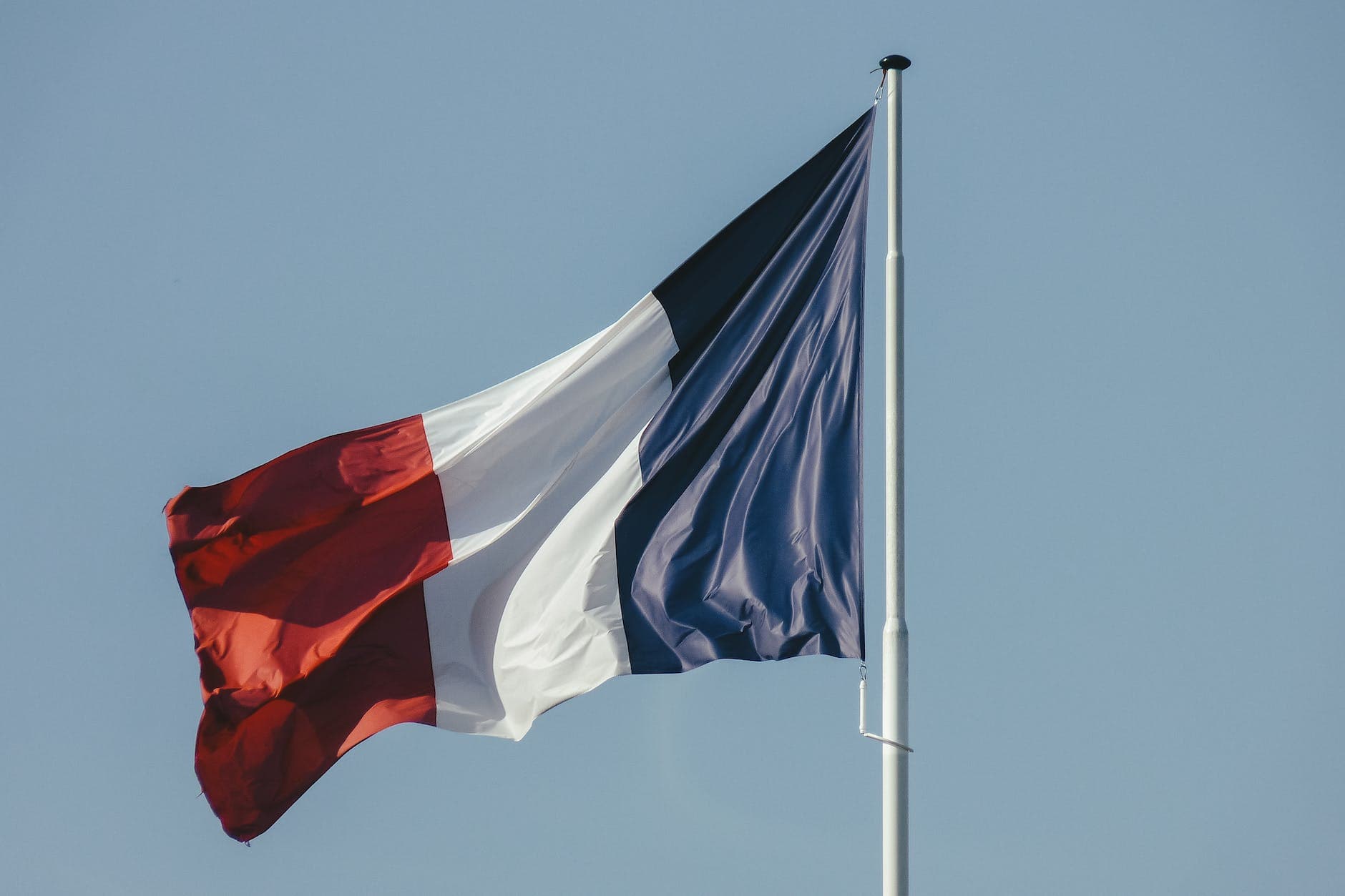
Happy French learning 🇫🇷