Slang is a form of casual, informal language used by specific social groups in France. Most of the time it’s young people, but that’s not always the case. Slang words and expressions are often used in friendly and relaxed settings.
It’s characterized by the use of words and expressions that are often obscure to outsiders.
Slang is an integral part of the French language and can be found in many aspects of popular culture, from music to cinema. I’m going to introduce you to 50 French slang words that I hear or use very often, here in France.
The goal of this article is to help you use these words (or at least understand them) to enrich your vocabulary and better understand this form of language. However, be careful - you should NEVER use these slang words or expressions in formal settings (at work, for example).
Some of these slang words or examples may be vulgar or offensive to certain people, so it’s recommended to use them with caution and depending on the context.
List of 50+ French Slang Words and Expressions
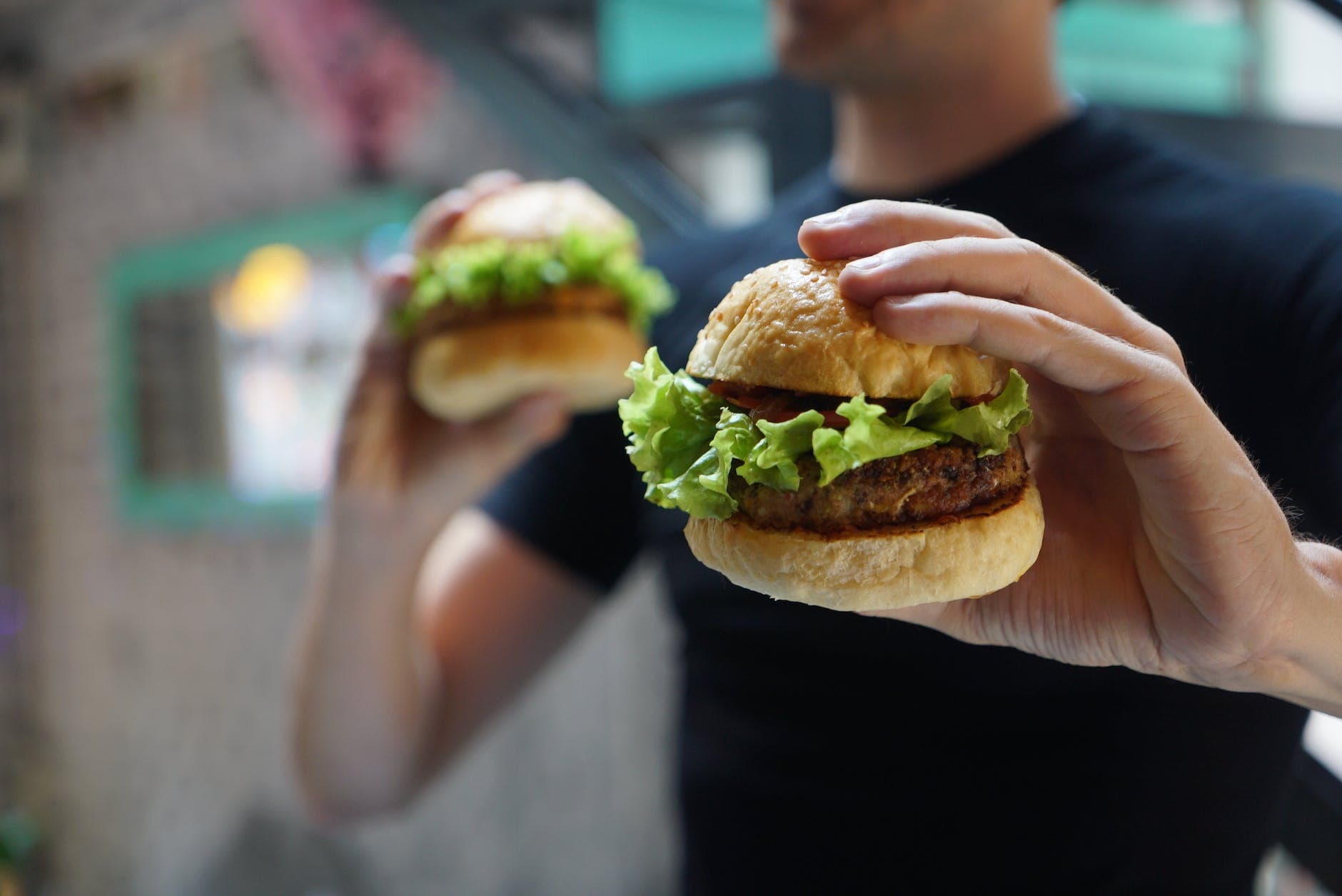
🍔 “Avoir la dalle”: a slang expression meaning you’re hungry.
Example: “J’ai vraiment la dalle, j’ai pas mangé depuis ce matin !” (I’m really starving, I haven’t eaten since this morning!)
💵 “Balles”: a slang word for money, specifically euros.
Example: “C’est pas cher, ça coute seulement 20 balles (20 euros)” (It’s not expensive, it only costs 20 bucks (20 euros))
💪🏼 “Baraque”: a French slang word that describes someone who is very muscular.
Example: “Jamais je me bats avec lui. Tu as vu comme il est baraque ? J’ai aucune chance !” (No way I’m fighting him. Have you seen how jacked he is? I don’t stand a chance!)
🚗 “Blinder”: when something is completely packed, when there are lots of people.
Example: “J’ai préféré éviter la rue Wilson, elle est toujours blindée à cette heure-là” (I preferred to avoid Wilson Street, it’s always packed at that time)
“Boloss”: someone who is weird, who behaves inappropriately in social situations.
Example: “Nico est un boloss, il a insulté Noémie devant tout le monde” (Nico is such a boloss, he insulted Noemie in front of everyone)
🧢 “Caillera”: verlan (backward slang) for racaille. A person who is likely to cause trouble.
Example: “Il trainait souvent avec les cailleras du quartier.” (He often hung out with the local troublemakers.)
“Chelou”: when something (or someone) is weird or strange.
Example: “Je trouve qu’il est chelou sur cette photo, il a une drôle de tête” (I think he looks chelou in this photo, he’s making a weird face)
“Chouraver”: a slang verb meaning to steal discreetly.
Example: “Il a chouravé une pomme dans le supermarché.” (He swiped an apple from the supermarket.)
🚬 “Clope”: refers to a cigarette in French slang.
Example: “Tu peux me donner une clope s’il-te-plaît ?” (Can you give me a smoke, please?)
👴 “Daron(ne)”: refers to one’s father or mother.
Example: “Ma daronne m’a appelé hier soir.” (My mom called me last night.)
🚀 “Déter”: when you’re motivated.
Example: “Je suis tellement déter pour réussir mes études.” (I’m so determined to succeed in my studies.)
🔫 “Flingue”: a gun.
Example: “Il avait un flingue dans sa poche.” (He had a piece in his pocket.)
💵 “Fric”: a slang word for money.
Example: “Il a gagné pas mal de fric grâce à son entreprise.” (He made quite a bit of cash with his business.)
👶 “Gosses”: refers to children.
Example: “Il y a des gosses en bas de chez moi qui font un bruit de dingue”. (There are kids downstairs making an insane amount of noise.)
🍔 “Grailler”: a slang word meaning to eat.
Example: “J’ai graillé une pizza ce midi” (I scarfed down a pizza at lunch)
🗣️ “Jacter”: to talk or chat.
Example: “On a bien jacté lors de notre rendez-vous.” (We had a great chat during our date.)
👮♀️ “Keuf”: refers to a police officer.
Example: “Il s’est fait arrêter par les keufs ce matin” (He got busted by the cops this morning)
😘 “Kiffer”: the slang equivalent of the verb aimer (to love).
Example: “Je kiffe trop ce film !” (I love this movie so much!)
😍 “Ma meuf”: my girlfriend, in the romantic sense.
Example: “Je suis vraiment amoureux de ma meuf” (I’m really in love with my girlfriend)
😍 “Mon mec”: my boyfriend, in the romantic sense.
Example: “Mon mec est trop beau.” (My boyfriend is so handsome.)
❌ “C’est mort”: when something is impossible or unlikely.
Example: “C’est mort, je ne vais jamais trouver l’amour de ma vie, je suis nul pour draguer” (Forget it, I’m never going to find the love of my life, I’m terrible at flirting)
🤯 “Ouf”: verlan (backward slang) for fou (crazy).
Example: “Ce type est complètement ouf !” (That guy is totally insane!)
👯 “Pécho quelqu’un”: a slang expression meaning you kissed or hooked up with someone.
Example: “Tu devineras jamais qui j’ai pécho à la soirée.” (You’ll never guess who I hooked up with at the party.)
😎 “Pépère”: meaning you’re relaxed, chilled out.
Example: “Je suis bien pépère chez moi ce soir.” (I’m nice and comfy at home tonight.)
🤑 “Pognon”: a slang word for a sum of money.
Example: “Ça coute un pognon de dingue ces travaux, je vais être ruiné si ça continue” (This renovation costs a crazy amount of money, I’ll be broke if it keeps going)
🙅♂️ “Pote”: refers to a friend.
Example: “Je suis sorti avec mes potes hier soir.” (I went out with my buddies last night.)
📎 “Radin”: someone who has trouble spending money.
Example: “Mon patron est un peu radin.” (My boss is a bit stingy.)
📎 “Un rat”: like radin, someone who has trouble spending money.
Example: Mon copain est un vrai rat, il ne m’invite jamais au restaurant. (My boyfriend is a real cheapskate, he never takes me out to eat.)
❌ “Rater”: a synonym for failing.
Example: “Je ne veux pas rater mon examen.” (I don’t want to fail my exam.)
👴 “Rouiller”: to not practice something and lose your skill level.
Example: “Je vais aller courir demain matin pour ne pas rouiller.” (I’m going to go for a run tomorrow morning so I don’t get rusty.)
😣 “Être ruiné”: to have no money left.
Example: “Je suis ruiné, je me suis fais arnaquer par un escroc” (I’m broke, I got scammed by a con artist)
🥶 “Se les cailler” : a slang expression used to say you’re freezing cold.
Example: “Ce matin je me les caillais en attendant le bus.” (This morning I was freezing my butt off waiting for the bus.)
🥶 “Se les geler”: like “se les cailler”, this expression is used to say you’re freezing cold.
Example: “Ce matin je me les gelais en attendant le bus.” (This morning I was freezing waiting for the bus.)
🤕 “Se prendre un râteau”: to get rejected by someone.
Example: “Il s’est pris un râteau par sa petite amie.” (He got shot down by his girlfriend.)
😴 “Etre saoulé”: when you’re fed up with something.
Example: “Je suis saoulé de cette situation, je n’en peux plus.” (I’m so fed up with this situation, I can’t take it anymore.)
😡 “Le seum”: a slang term for being angry or bitter about something.
Example: “J’ai trop le seum, mon équipe a été éliminée en demi-finale de Coupe du monde.” (I’m so gutted, my team got knocked out in the World Cup semi-final.)
“Souk”: a mess, disorder.
Example: “Notre chambre était un véritable souk.” (Our room was a total mess.)
“Tailler”: to leave quickly.
Example: “Je dois tailler pour arriver à l’heure.” (I gotta bounce to get there on time.)
🥳 “Teuf”: refers to a party with a festive atmosphere (music + alcohol).
Example: “On va à une teuf ce soir, tu viens ?” (We’re going to a party tonight, you coming?)
“Teufeur”: someone who frequents techno parties.
Example: “Il se fait toujours passer pour un teufeur.” (He always pretends to be a party animal.)
💰 “Thune”: money.
Example: “Il ne parle que de thune et de revenus.” (He only talks about money and income.)
🍷 “Tiser”: to drink alcohol.
Example: “On est allé tiser une bière au bar d’à côté.” (We went to grab a beer at the bar next door.)
🏎️ “Tracer”: to leave quickly.
Example: “On a dû tracer à cause de la pluie.” (We had to bolt because of the rain.)
“Trimer”: to work really hard.
Example: “Je dois trimer dur pour réussir mes examens.” (I have to grind hard to pass my exams.)
😡 “Vénère”: angry, furious.
Example: “Je suis vraiment vénère contre mon ex !” (I’m really furious at my ex!)
😵 “Voir double”: to be drunk.
Example: “Il avait beaucoup bu et voyait double.” (He had drunk a lot and was seeing double.)
“Wesh”: hey, what’s up.
Example: “Wesh, comment ça va ?” (Yo, how’s it going?)
“Zapper”: to quickly switch something.
Example: “J’ai zappé sur toutes les chaînes hier soir.” (I flipped through all the channels last night.)
“Zoner”: to hang around in the streets.
Example: “On zonait dans le centre-ville hier soir.” (We were hanging around downtown last night.)
How do you know if you can use slang expressions?
Using slang depends on the context, the people present, and the goal of the conversation. In general, slang is used in informal and relaxed situations, between people who know each other well or who belong to the same social, cultural, or professional group. This can include close friends, coworkers, or members of the same community.
But be careful - slang is not always appropriate in every situation and can be considered rude or inappropriate by some people. It’s therefore best to know your audience and adapt according to the context.
To avoid making mistakes, always remember the following: if you’re in doubt, it’s better to use more formal language to avoid any misunderstanding or offense.